WM-601 in Battery Pack Sealing: Typical Defects and Optimization Paths
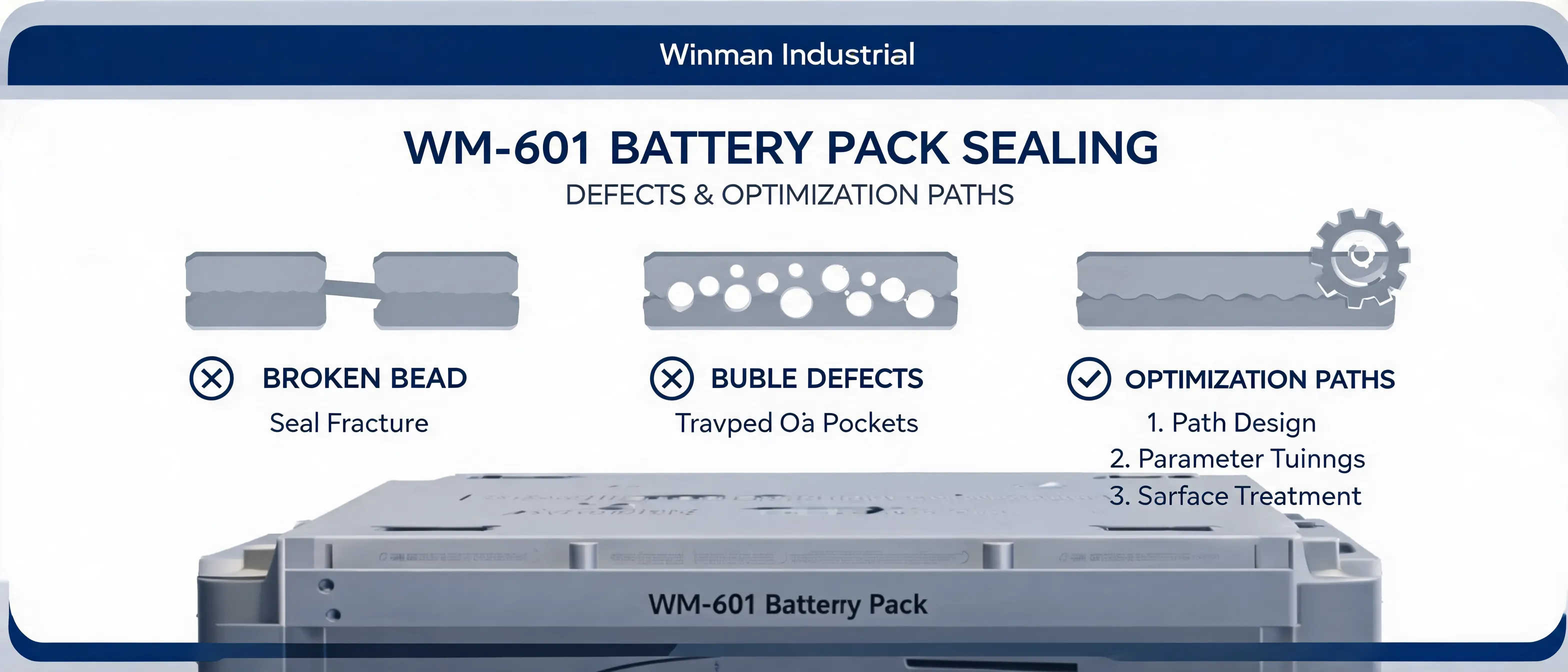
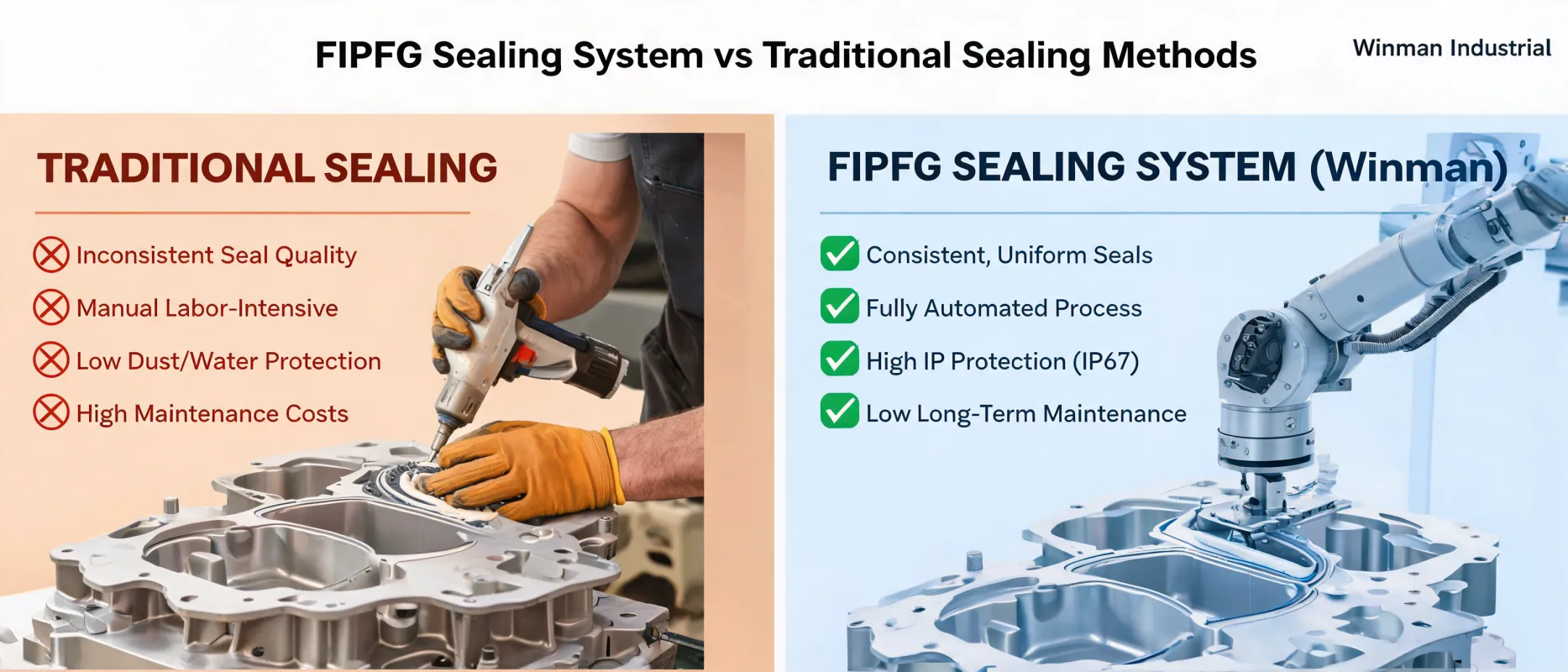
In battery pack sealing, a stable FIPFG process is not defined by one parameter alone. For engineering teams working with WM-601, the most practical concern is whether the bead remains continuous, the foam expands evenly, and the final seal meets the required protection level without excessive rework.
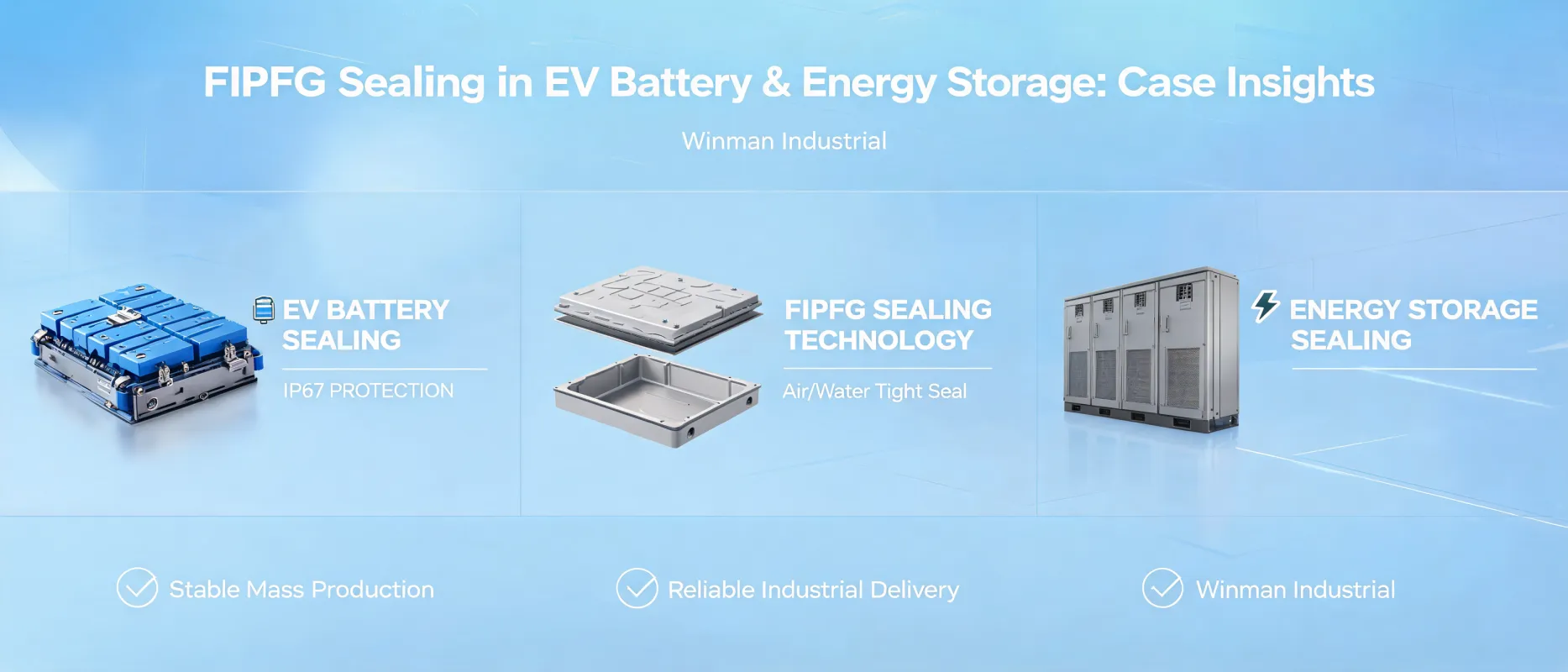
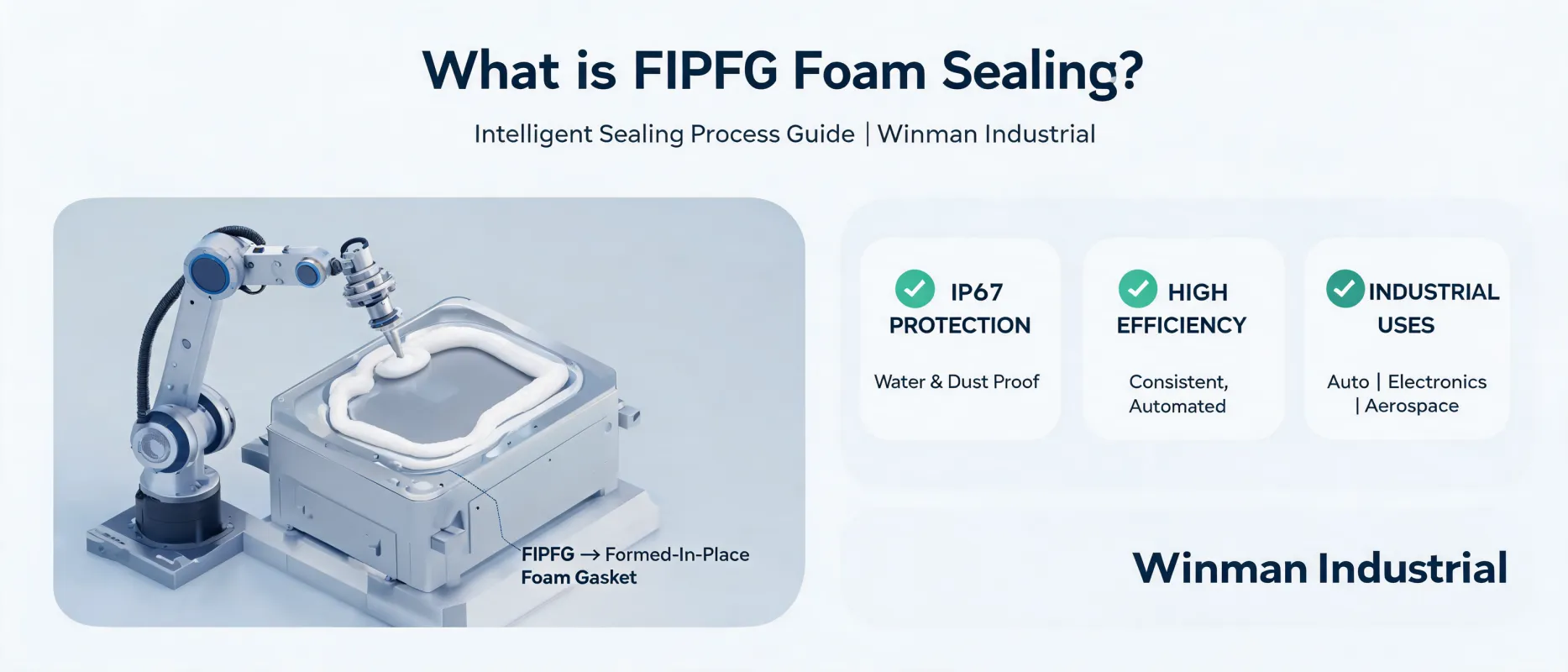
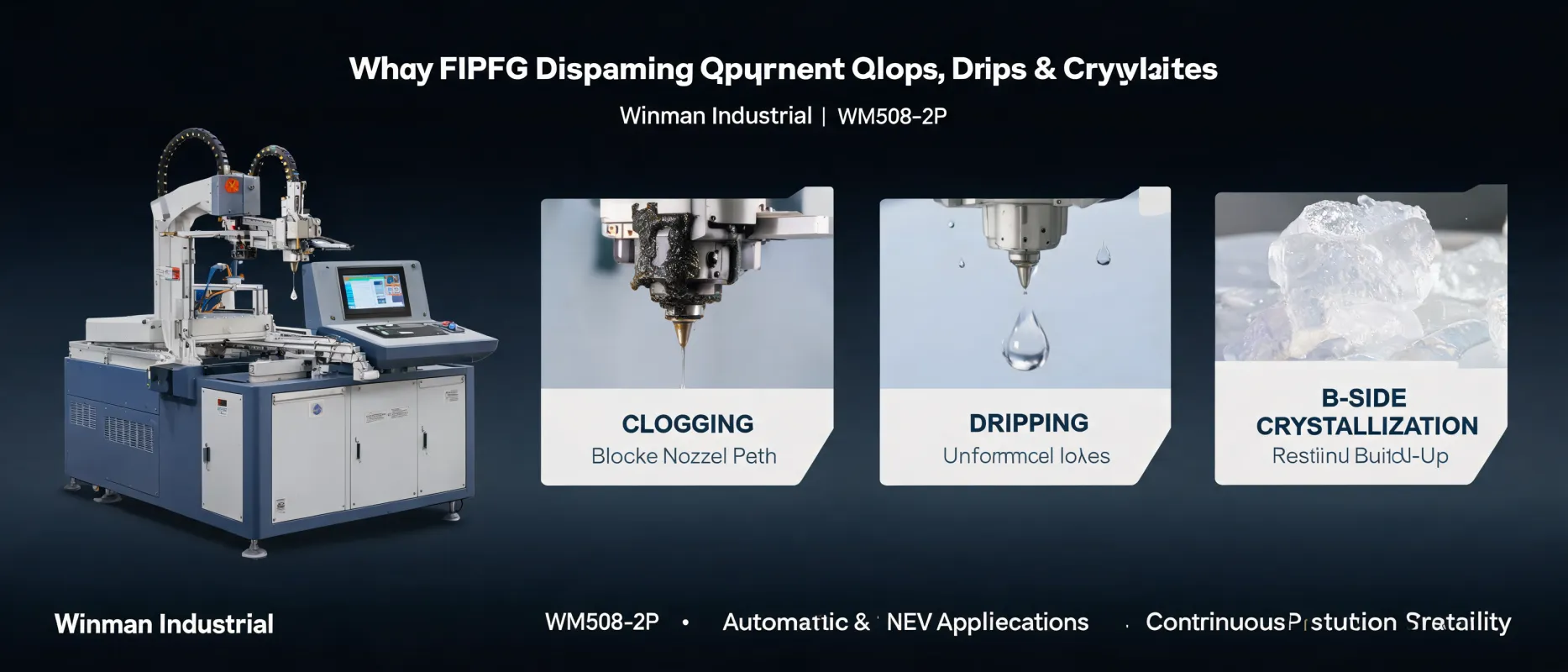
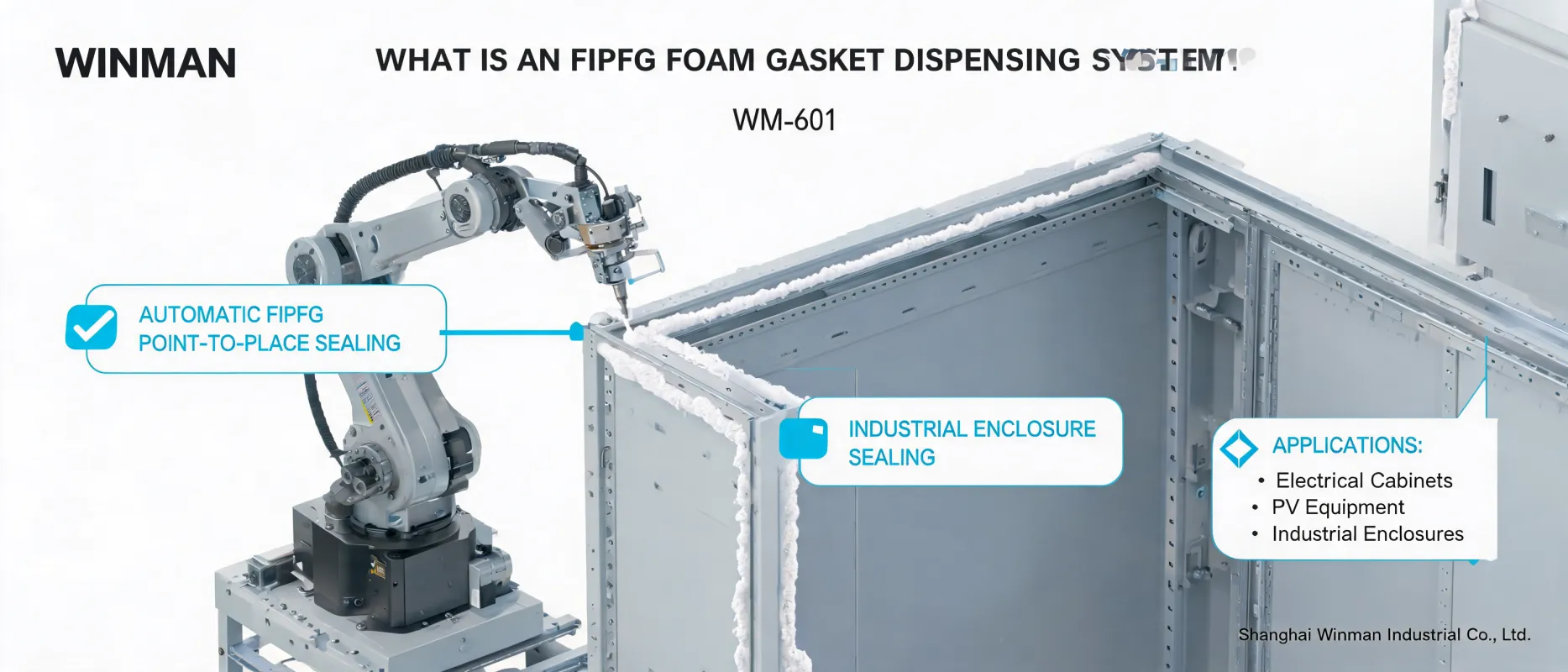
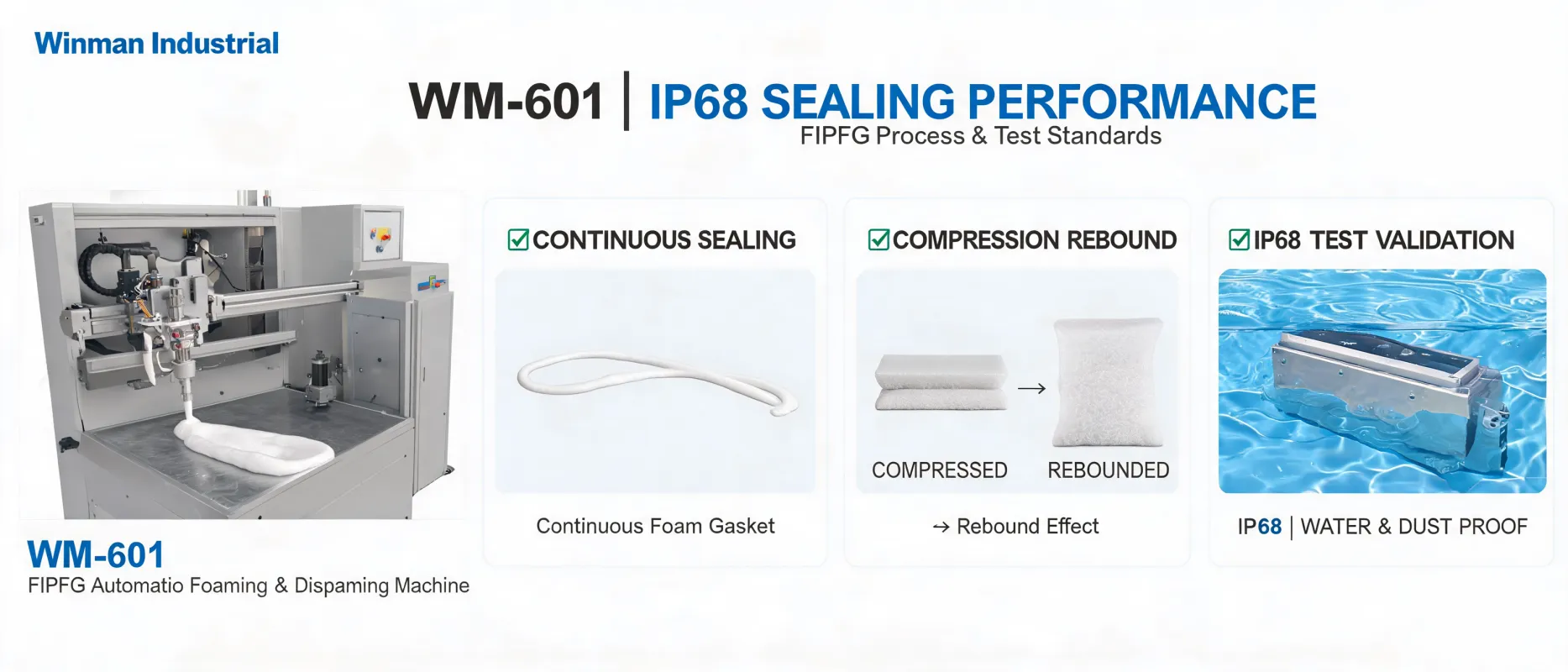
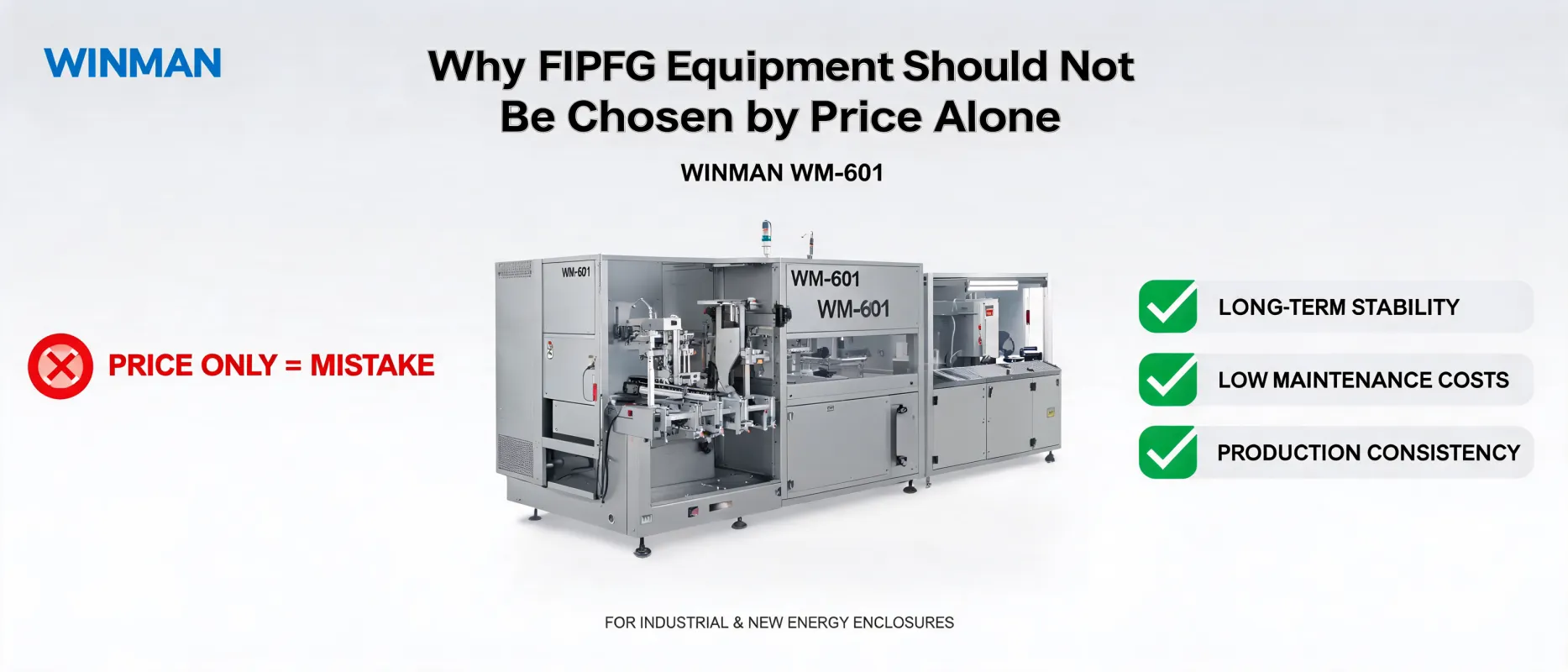
Shanghai Winman Industrial Co., Ltd. designed the WM-601 FIPFG automatic foaming dispensing machine for demanding sealing applications such as新能源汽车电池包, energy storage cabinets, and other industrial enclosures. Based on German FIPFG process principles, the machine is built to support high-precision dispensing, repeatable path control, and consistent sealing quality in production environments that require reliable long-term performance.
Typical Defects Seen in WM-601 Battery Pack Sealing
When a FIPFG line is not fully matched to the part geometry, material behavior, or surface condition, the following issues often appear in production:
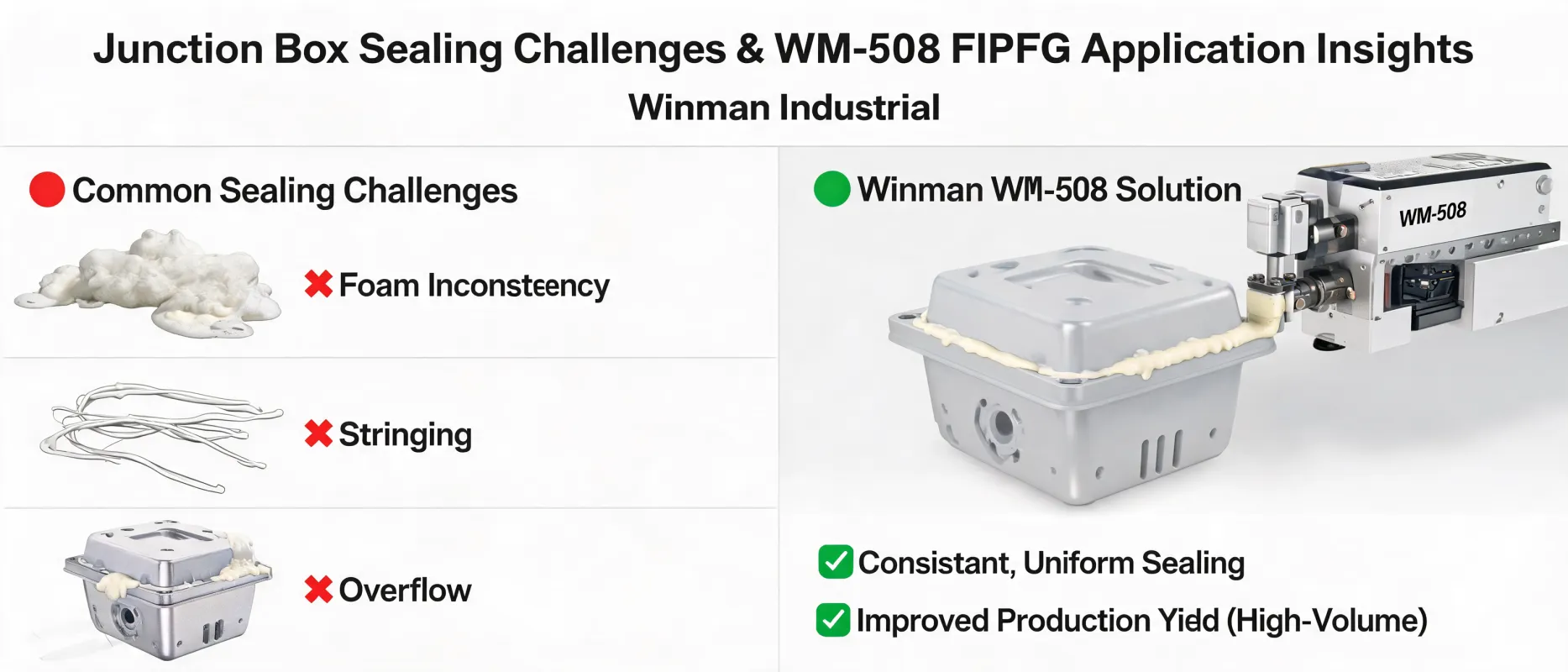
- Broken bead: the foam track becomes discontinuous, which can affect sealing integrity and inspection consistency.
- Bubbles: trapped air or unstable material flow may create voids inside the bead or on the surface.
- Overflow: excess material may spread beyond the intended path and increase trimming or cleaning work.
Why These Defects Appear
Optimization Paths for More Stable Sealing
For WM-601 applications, optimization is usually achieved through a combination of path planning, parameter tuning, and equipment maintenance. Winman Industrial recommends focusing on the following areas:
- Path design: keep the bead path continuous and aligned with the actual sealing interface, especially around corners, joints, and complex contours.
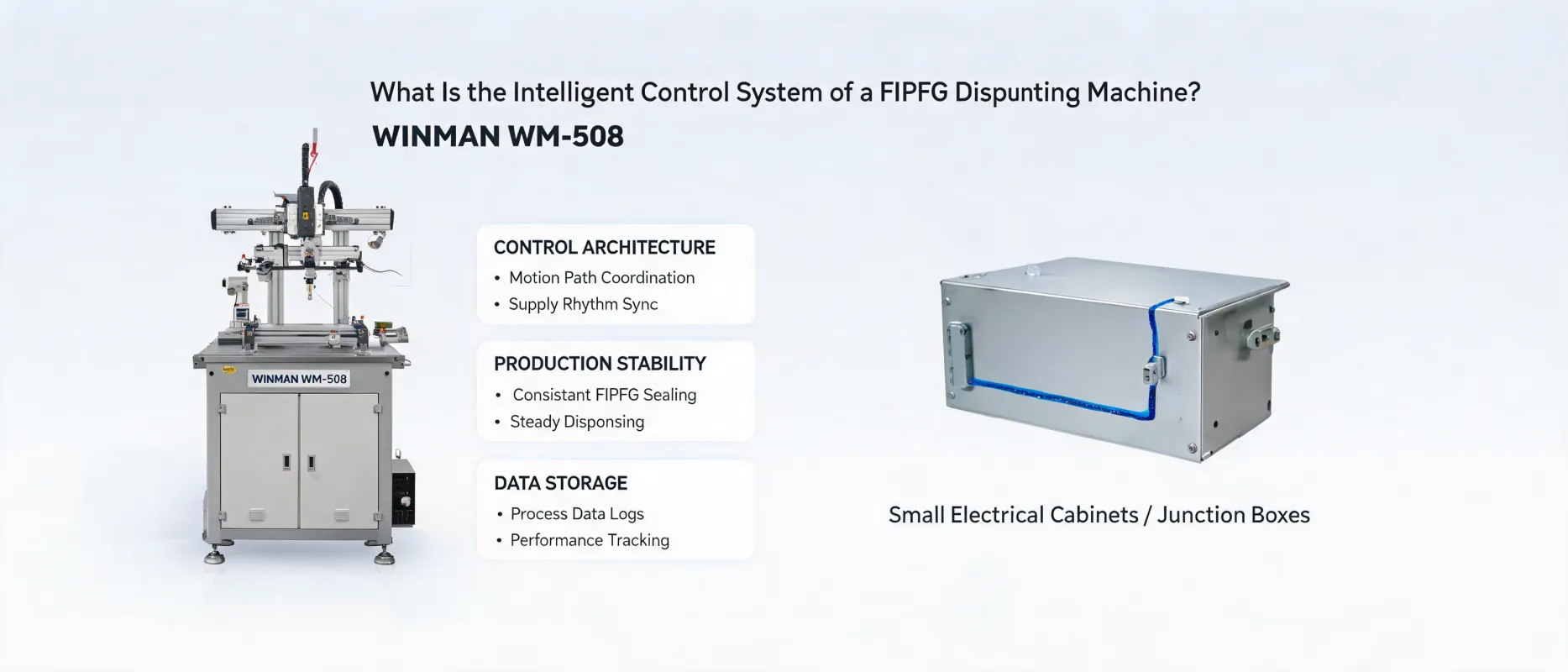
- Parameter matching: adjust speed, output, and motion coordination so the bead stays uniform at different section changes.
- Surface treatment: use suitable pretreatment to improve adhesion and reduce defect risk caused by contamination or poor wetting.
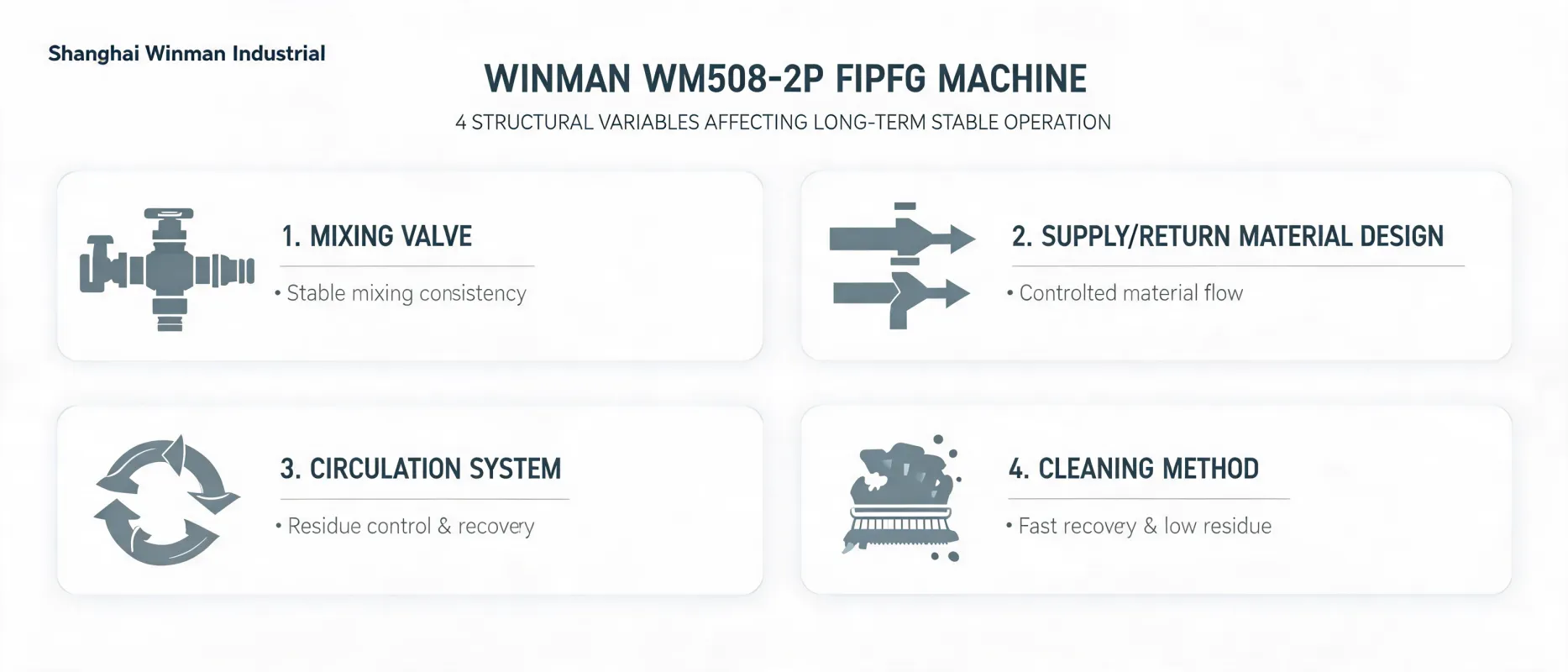
- Maintenance control: keep the dispensing system, mixing unit, and motion platform in stable condition to support repeatable production.
- Inspection and feedback: use production checks to identify whether the root cause comes from material behavior, path logic, or machine settings.
How WM-601 Supports Process Consistency
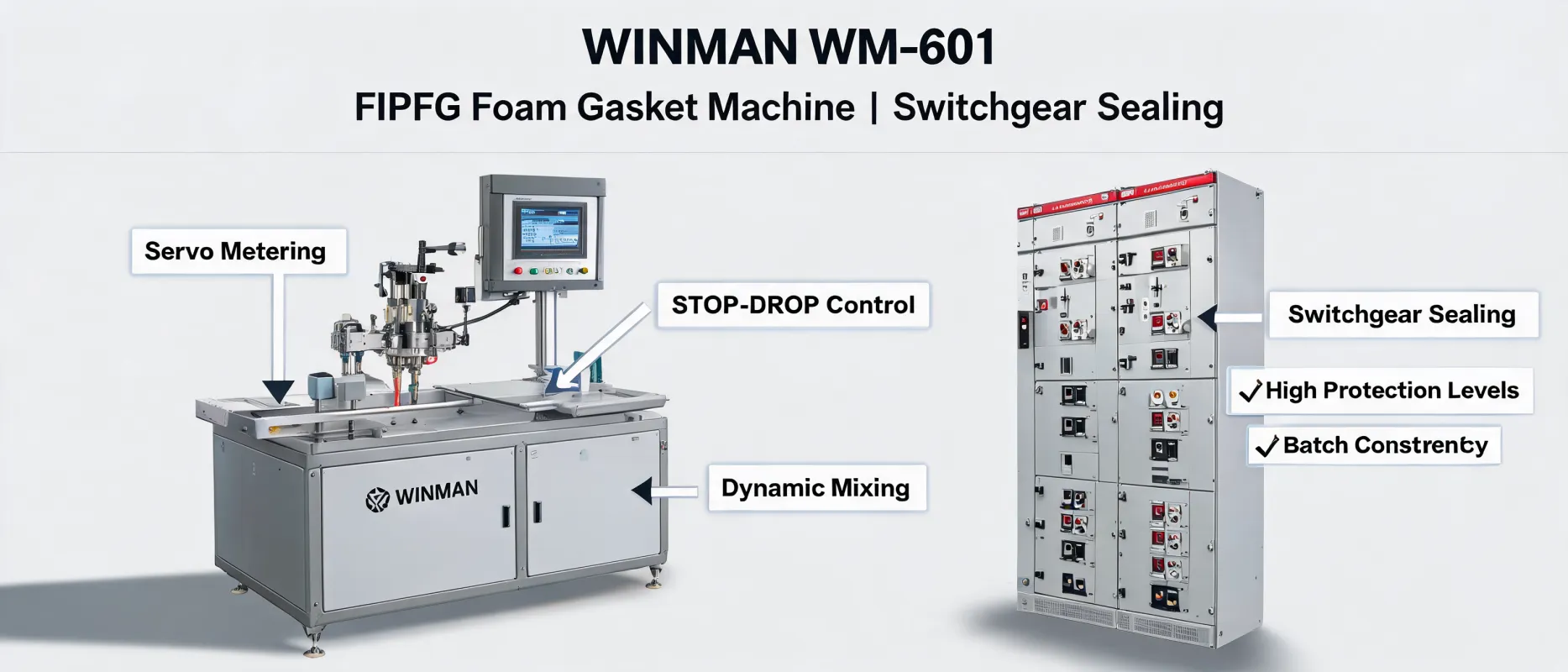
High-precision dispensing
WM-601 is built to support precise bead formation, helping engineering teams maintain sealing consistency on battery pack housings and similar enclosures where tolerance control matters.
Stable automation logic
The dual-station design and programmable motion control support repeatable operation, which is important when teams need to reduce variation across batches and improve production efficiency.
Maintenance-friendly production
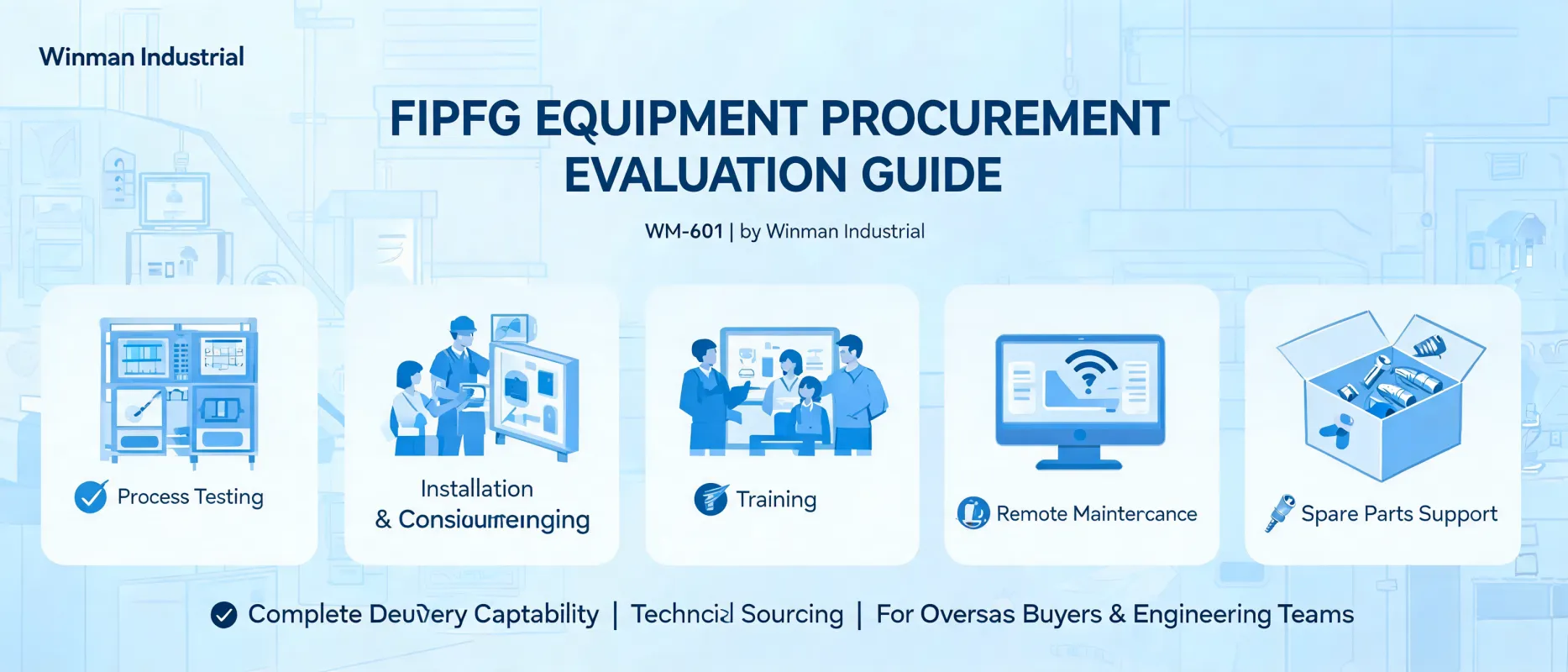
With support for remote maintenance and cleaning-oriented design, the system helps reduce unnecessary downtime and makes routine process control easier for industrial users.
What Engineering Teams Usually Check Before Production
- Whether the sealing path is fully matched to the enclosure structure.
- Whether the dispensing speed and output remain balanced across the full route.
- Whether the surface condition supports stable bead adhesion.
- Whether the equipment configuration supports the required protection level and repeatability.
- Whether the maintenance workflow is practical for long-term industrial operation.
For battery pack sealing, the most reliable results come from aligning machine capability, material behavior, and path strategy. Winman Industrial approaches WM-601 application optimization from this practical process perspective, helping teams improve bead stability, reduce defects, and maintain consistent sealing performance in demanding production environments.


Hot Products
Popular articles