What Causes Uneven Foam Gasket Height and How to Fix It

What Causes Uneven Foam Gasket Height and How to Fix It
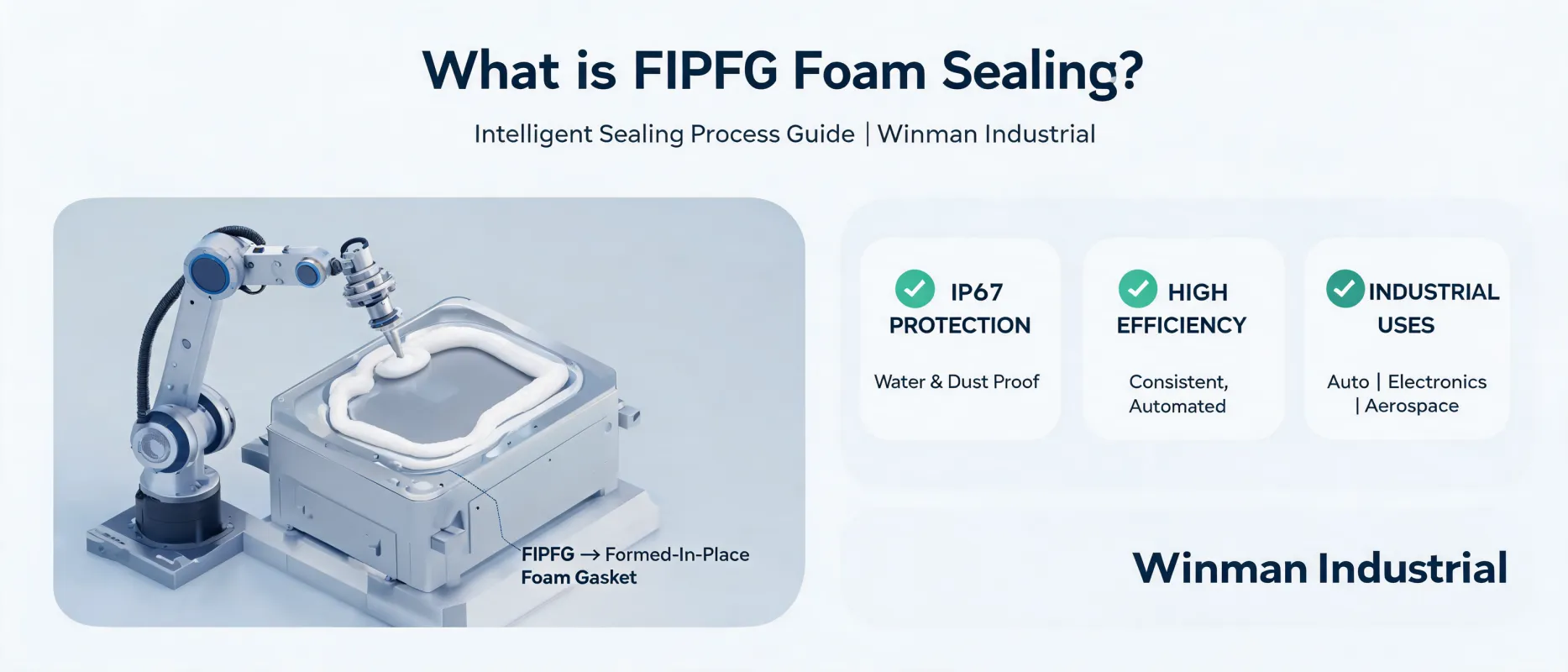
Uneven foam gasket height is a common challenge in FIPFG production, especially for electrical enclosures, battery cabinets, and industrial covers that require stable sealing performance. When gasket height or width varies along the bead path, the result can be poor compression, inconsistent appearance, and weaker protection against dust and water.
Why foam gasket consistency matters
In FIPFG sealing applications, even small changes in bead height can affect the final compression force, sealing line integrity, and the overall IP performance of the finished product. A gasket that is too high may interfere with door closing, while a gasket that is too low may leave leakage gaps. In mass production, these variations also create rework, inspection delays, and unstable output quality.
- Local leakage caused by insufficient compression
- Uneven door closing pressure and unstable fit
- Reduced water, dust, and moisture protection
- Rough appearance and inconsistent bead shape
- Failure to meet IP test requirements
- Higher risk of gasket detachment or damage
Common signs of uneven gasket height or width
Before adjusting the process, it helps to identify where the problem appears. Uneven sealing beads often show clear symptoms during dispensing or after foaming and curing.
Height variation
One section is noticeably higher or lower than the rest of the gasket.
Corner buildup
Material accumulates at turns or corner positions, creating thicker spots.
Start-end mismatch
The bead height at the beginning and end of the path is not the same.
Width fluctuation
The gasket width changes visibly along straight sections or curves.
Local collapse
Some areas shrink, sink, or lose shape after foaming.
Bubbles or breaks
Air bubbles, interrupted lines, or short gaps appear in the bead.
Main causes of inconsistent foam gasket height
Uneven gasket geometry is usually not caused by a single factor. In most cases, the root cause comes from the combined effect of material behavior, machine stability, dispensing parameters, and workpiece conditions.
1) Material-related issues
- Viscosity changes during storage or temperature fluctuation
- Unstable A/B ratio affecting reaction and expansion
- Improper material temperature before dispensing
- Excessive storage time or expired material condition
2) Equipment-related issues
- Unstable metering pump output
- Blocked, worn, or damaged nozzles
- Poor cleaning of the mixing head
- Pressure fluctuation in hoses or feed lines
3) Process-related issues
- Dispensing speed too fast or too slow
- Corner slowdown settings not properly tuned
- Output volume not matched with movement speed
- Incorrect bead height or gap distance setting
4) Workpiece-related issues
- Uneven surface height or poor flatness
- Inaccurate part positioning or fixture alignment
- Oil, dust, or contaminants on the surface
- Poor adhesion caused by coating or base material properties
How to fix uneven foam gasket height
A practical correction plan should start from the most likely source of variation. The goal is to keep the material, machine, and path parameters consistent from the first bead to the last.
- Stabilize material temperature and keep viscosity within the target range.
- Check and recalibrate the A/B mixing ratio before continuous production.
- Inspect nozzles, mixing heads, seals, and delivery lines for wear or blockage.
- Match dispensing volume with travel speed to maintain bead shape.
- Optimize acceleration, deceleration, and corner timing parameters.
- Use precise fixtures to hold the workpiece in a repeatable position.
- Clean the surface thoroughly before dispensing to improve adhesion and consistency.
- Run sample tests before full production to confirm the final settings.
How WINMAN Industrial supports stable sealing quality
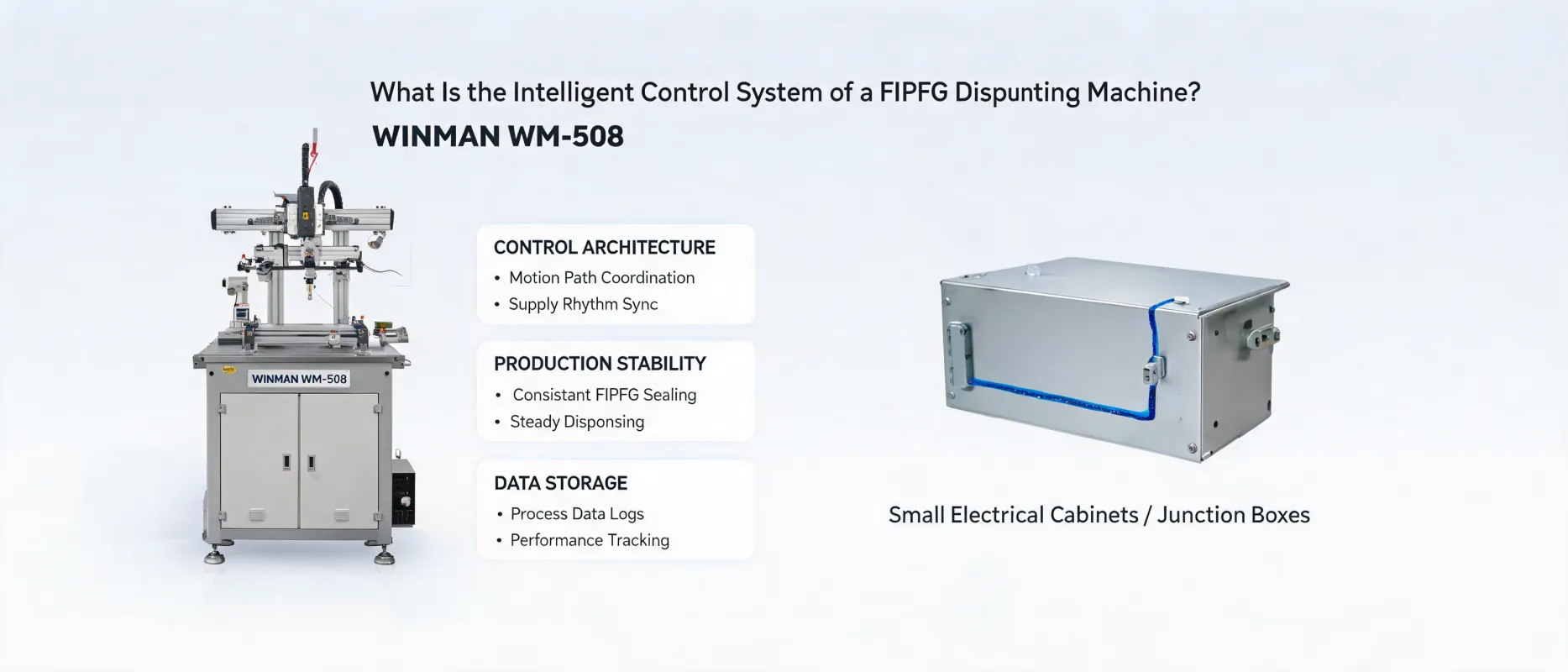
Shanghai Winman Industrial Co., Ltd. focuses on FIPFG dispensing and sealing systems for industrial manufacturing. For enclosure production such as Schneider and ABB electrical cabinets, the WINMAN WM508-2 polyurethane foam gasket machine is designed to support repeatable bead quality and stable output in batch production.
Precise flow control
Helps maintain consistent material delivery throughout the dispensing path.
Dynamic mixing
Supports stable reaction performance and more uniform foam formation.
CAD path programming
Makes path setup and repeat production easier for complex enclosure shapes.
Recipe storage
Allows different product parameters to be saved and reused efficiently.
Sample validation
Helps customers confirm the best process window before mass production.
Installation and training
Supports setup, commissioning, and process training for production teams.
Recommended quality checks before shipment or mass production
To ensure the sealing line performs as expected, the following items should be checked during validation and routine inspection:
- Bead height and width consistency along the full path
- Start point, end point, and corner appearance
- Continuous dispensing stability without breaks or bubbles
- Adhesion strength between gasket and substrate
- Compression recovery after closing tests
- Waterproof, dustproof, or IP testing results
FAQ
1. Why does foam gasket height change during dispensing?
It usually changes because of material viscosity shifts, unstable A/B ratio, pressure fluctuation, worn components, or an incorrect speed-to-output match.
2. How does material temperature affect gasket quality?
If the material is too cold or too warm, viscosity and reaction behavior can change, which may cause uneven bead height, width variation, or poor foaming stability.
3. What causes gasket buildup at corners?
Corner buildup is often related to improper deceleration settings, excessive output volume, or path programming that does not fully match the shape of the workpiece.
4. How can uneven gasket width be corrected?
You can correct it by calibrating flow control, adjusting speed parameters, checking nozzle condition, improving fixture accuracy, and verifying surface cleanliness before dispensing.
5. Can sample testing help determine dispensing parameters?
Yes. Sample testing is one of the most effective ways to identify the best material settings, speed profile, and corner parameters before starting stable batch production.


Hot Products


Popular articles