Three Overlooked Risks in Overseas FIPFG Equipment Procurement: Delivery, Training and After-Sales
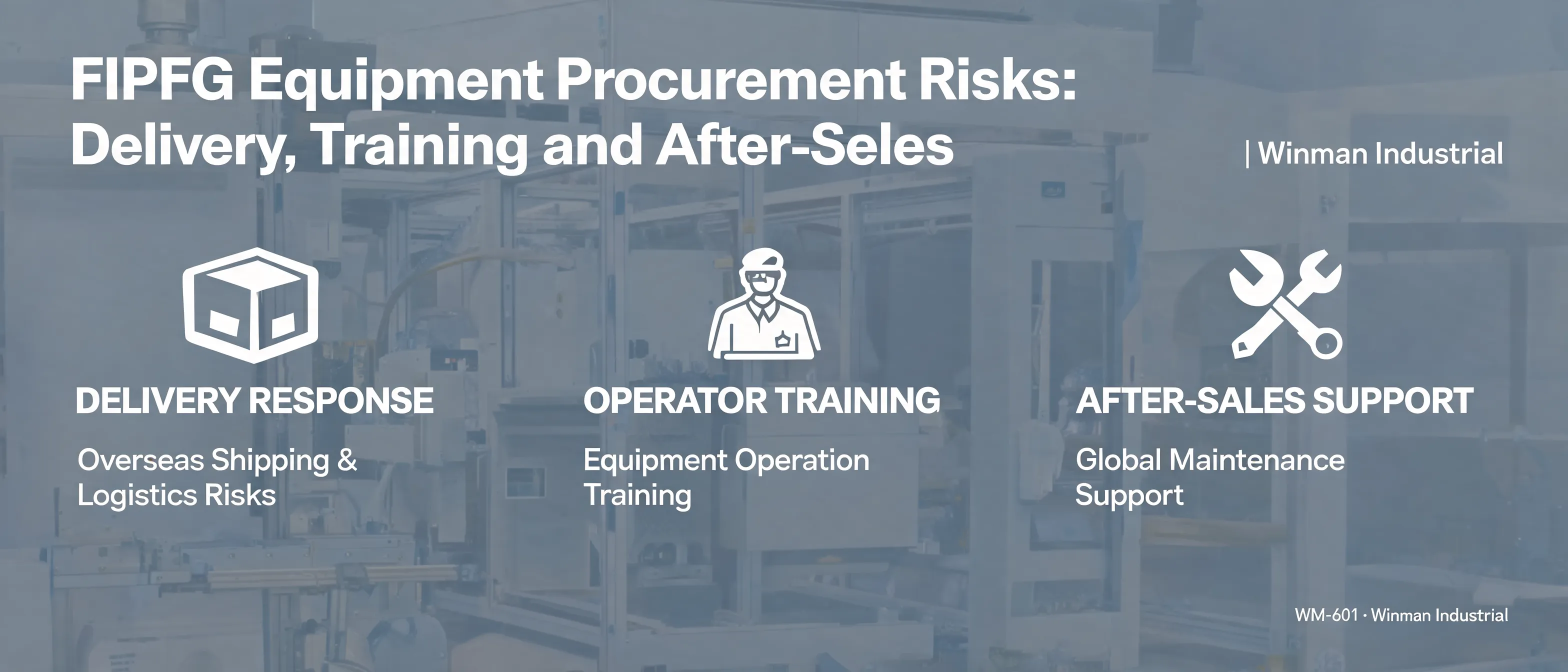
Three Overlooked Risks in Overseas FIPFG Equipment Procurement
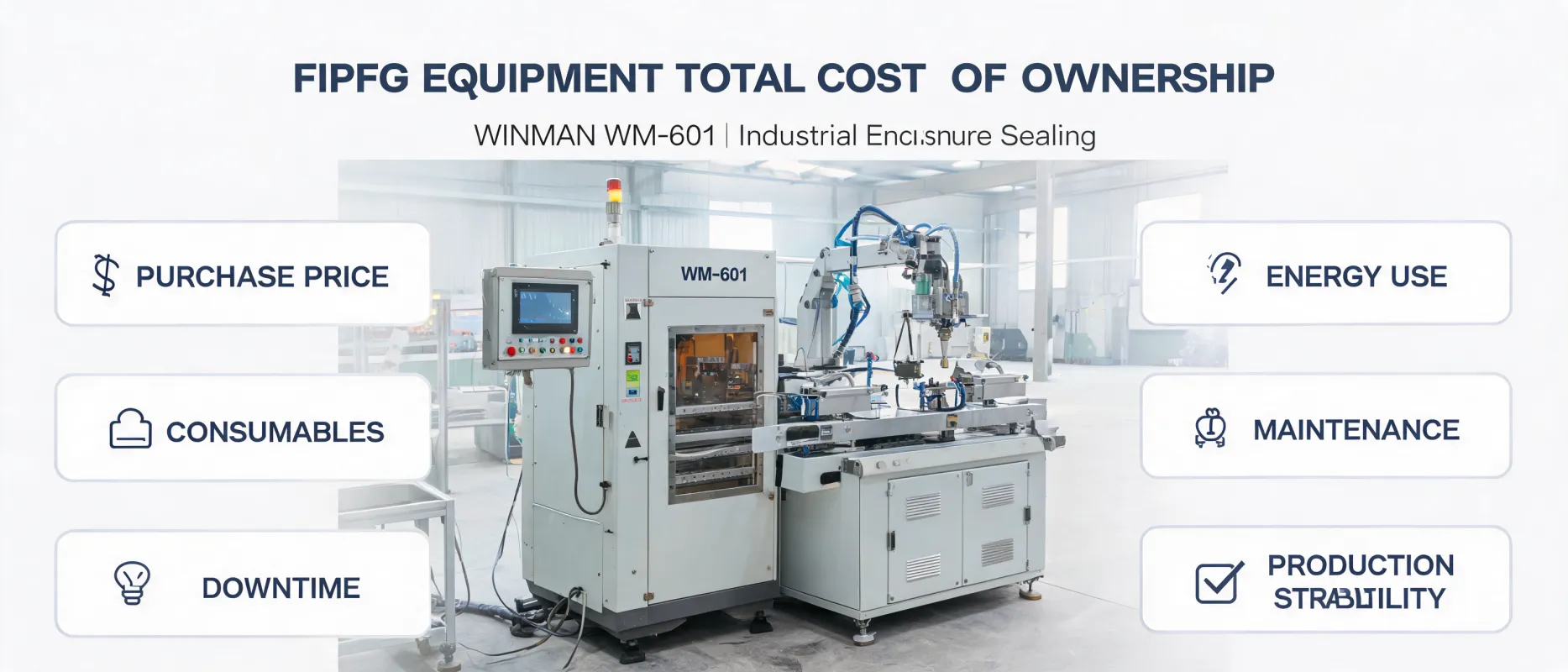
When overseas buyers evaluate FIPFG equipment, the discussion often starts with coating accuracy, automation level, and sealing performance. Those specifications matter, but they are not the only factors that affect long-term production stability. In practice, the most costly problems are often related to delivery response, operator training, and after-sales support.
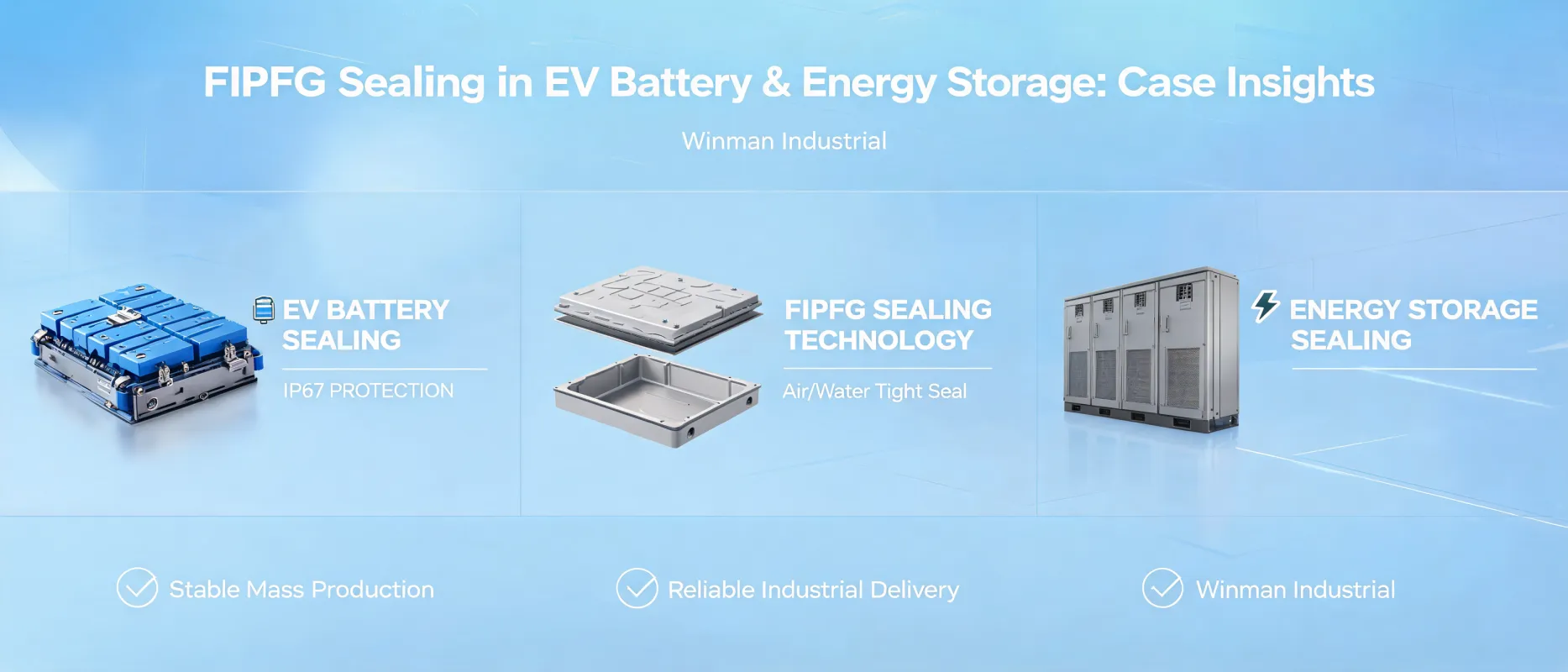
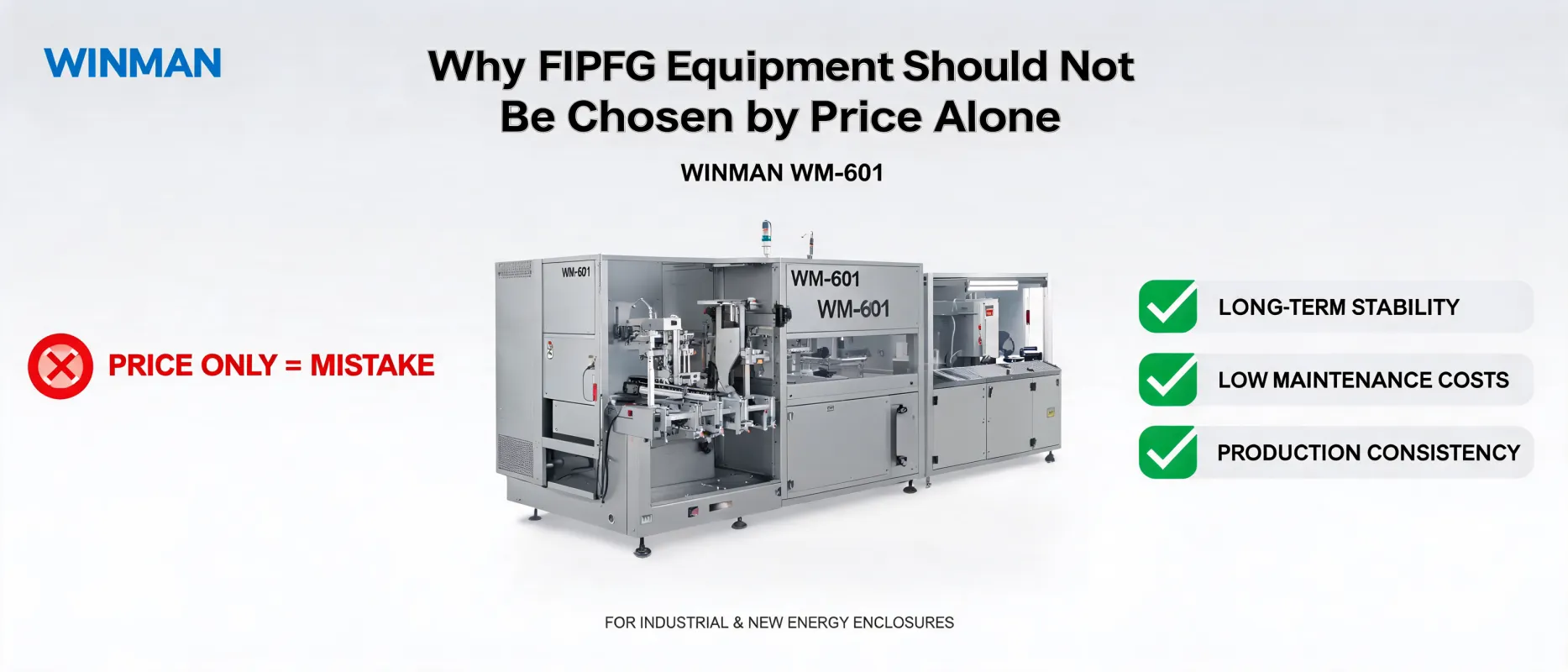
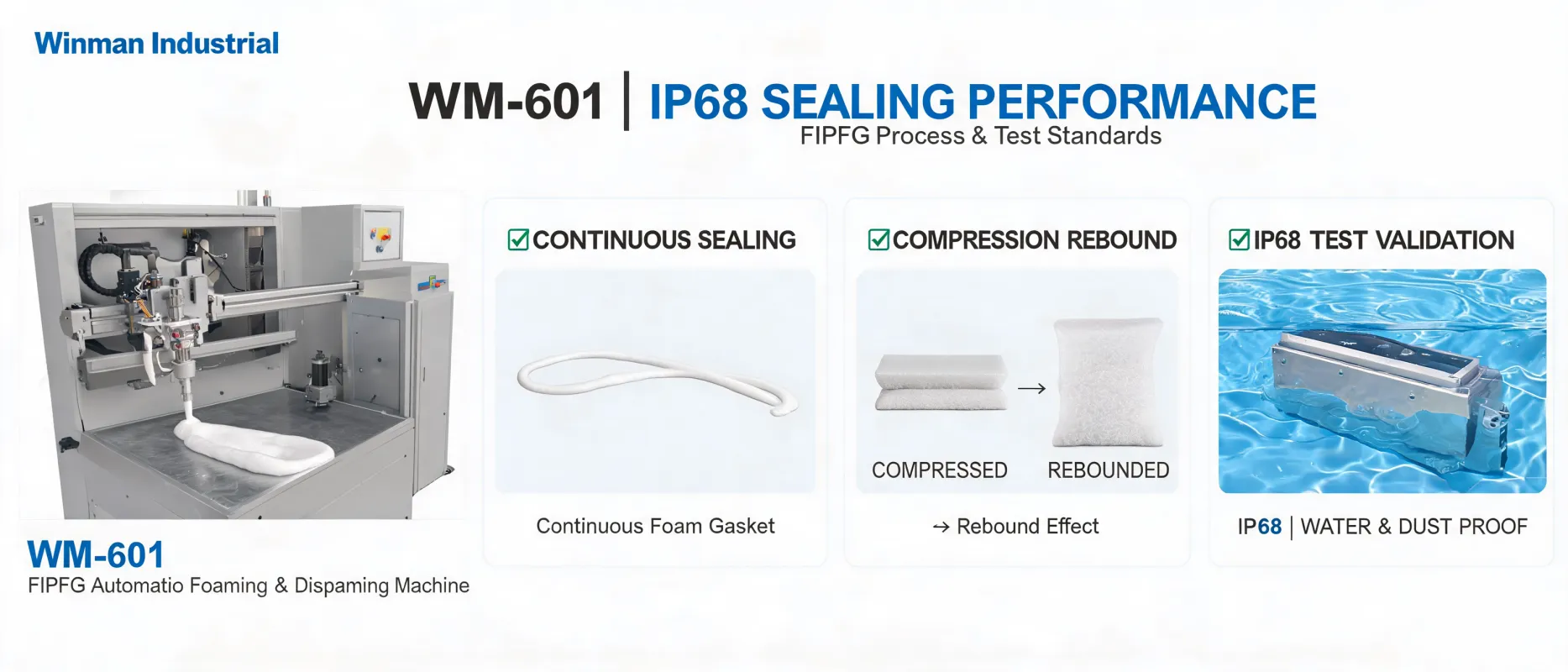
Winman Industrial designs and manufactures WM-601 as a practical reference for overseas buyers who need stable sealing performance in demanding applications such as EV battery packs and energy storage cabinets. For B2B procurement teams, a reliable machine is not only about initial specifications; it is also about whether the equipment can be installed, understood, maintained, and kept running with predictable support.
1. Delivery Response Is Part of the Equipment Value
For overseas procurement, delivery is not just the shipping date. It also includes how clearly technical requirements are confirmed, how efficiently configuration details are aligned, and how smoothly the equipment can move from order to installation.
- Whether the machine configuration matches the actual sealing application
- Whether voltage, process path, and accessory requirements are confirmed early
- Whether installation planning can be coordinated with production schedules
- Whether technical communication remains clear across time zones and markets
WM-601 supports customized voltage options and path programming, which helps overseas buyers align the equipment more precisely with local production conditions. For factories working with battery pack sealing or cabinet sealing lines, this reduces avoidable delays caused by mismatched specifications.
2. Operator Training Determines Whether Automation Becomes Stable Output
Even a high-precision FIPFG machine will not deliver consistent results if operators cannot understand the process logic, programming method, and routine maintenance requirements. In overseas projects, the training gap is one of the most frequently underestimated risks.
What training should cover
- Basic machine operation and startup workflow
- Path programming and process parameter adjustment
- Inspection points for consistent foam dispensing quality
- Daily cleaning and maintenance routines
- Remote diagnostics and fault communication procedures
WM-601 is designed with a high-precision dispensing structure and a high-pressure water-air cleaning system that reduces manual trimming work. For operators, this means fewer repetitive steps and a clearer maintenance path, which is especially useful for export projects that rely on fast onboarding.
3. After-Sales Support Affects Total Procurement Risk
In industrial automation, after-sales support is not a secondary issue. It directly affects uptime, process consistency, and the buyer’s confidence in long-term operation. This is especially true for overseas customers who must manage different time zones, local service resources, and production continuity requirements.
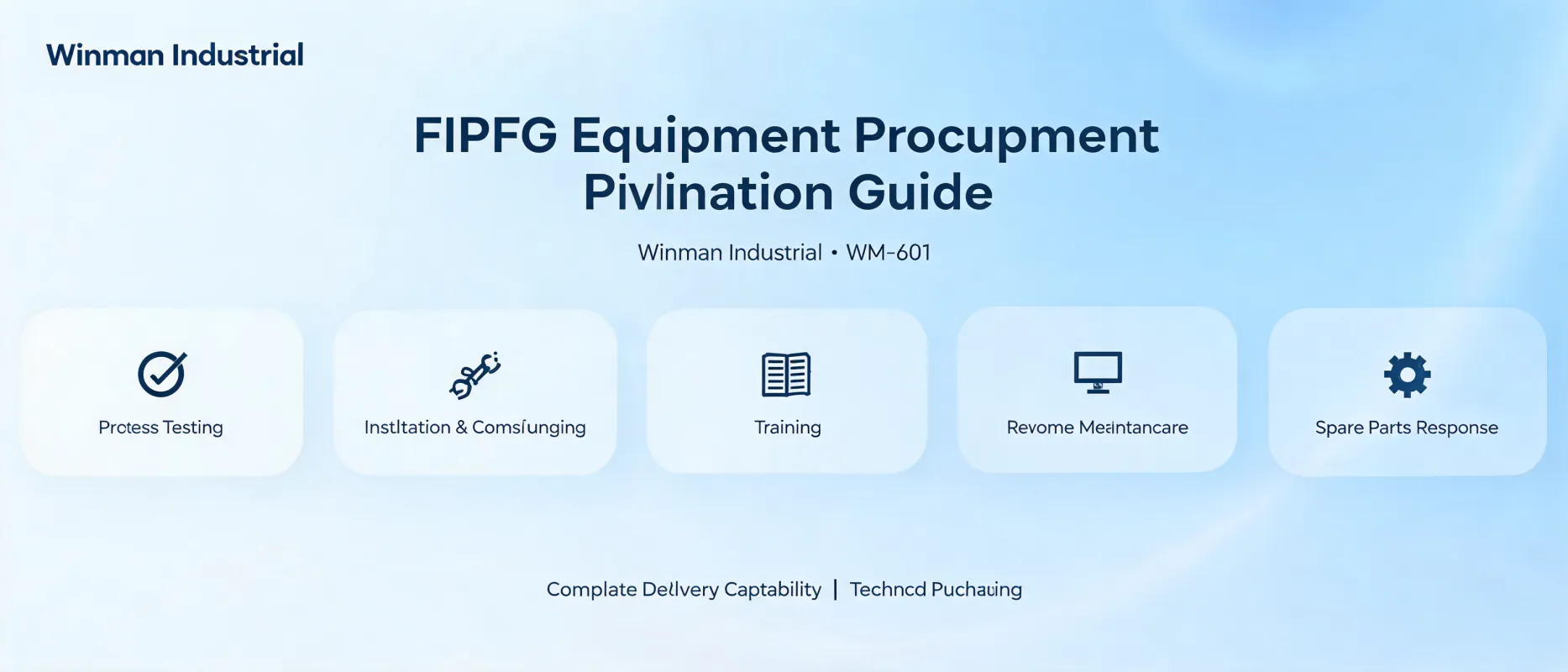
Winman Industrial positions after-sales support as part of the equipment lifecycle, not an isolated service step. For overseas buyers, this approach helps lower procurement risk and improves the predictability of plant operations.
WM-601 as a Practical Reference for Overseas Buyers
High sealing precision
The machine is designed for ±0.05 mm coating accuracy, supporting consistent sealing quality in demanding battery pack applications.
Automation and efficiency
Its dual-station design supports continuous operation and helps reduce manual labor requirements in production workflows.
Export-ready compliance
WM-601 is aligned with ISO9001 and CE requirements, which supports procurement decisions for international projects.
Application focus
It is designed for high-demand sealing scenarios such as EV battery packs and energy storage cabinets, where reliability is critical.
What Overseas Procurement Teams Should Review Before Purchase
- Confirm the application scenario. Define whether the machine will be used for battery packs, energy storage cabinets, or other industrial sealing tasks.
- Clarify process requirements. Check coating precision, speed range, cleaning expectations, and whether path programming is needed.
- Plan the training path. Make sure operators and maintenance personnel can quickly understand daily operation and fault handling.
- Evaluate support accessibility. Remote diagnostics, maintenance response, and documentation quality should be reviewed before signing.
- Consider full-cycle reliability. A stable control system, clean operation, and export compliance all contribute to lower long-term procurement risk.
“For overseas FIPFG equipment procurement, the real question is not only whether the machine can run, but whether it can run stably, be learned quickly, and remain supportable over time.”
With its combination of precision, configurable automation, remote support capability, and export-oriented design, WM-601 offers a practical reference point for buyers who want to reduce uncertainty in overseas procurement and build more stable production lines.




Hot Products
Popular articles