FIPFG Automatic Foam Sealing vs. Traditional Manual Sealing
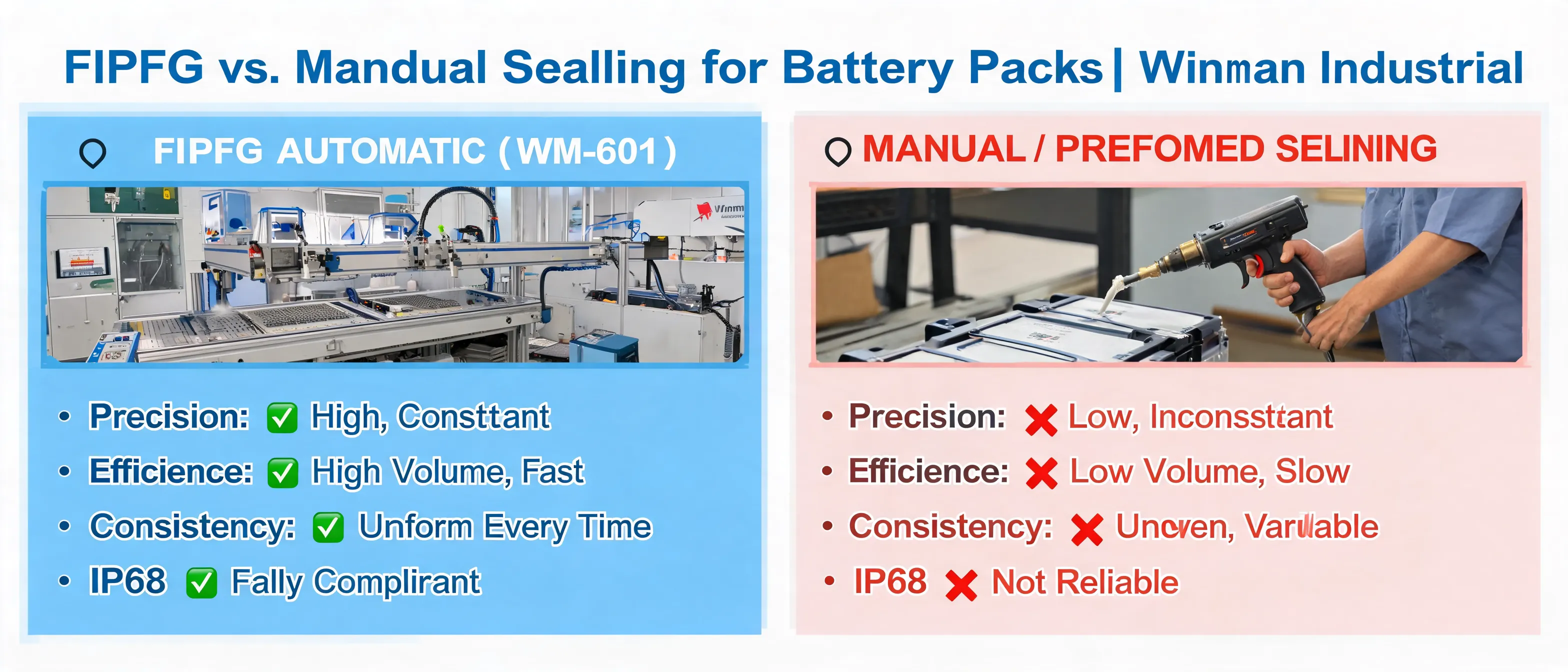
Battery Pack and Energy Storage Sealing
FIPFG Automatic Foam Sealing vs. Traditional Manual Sealing
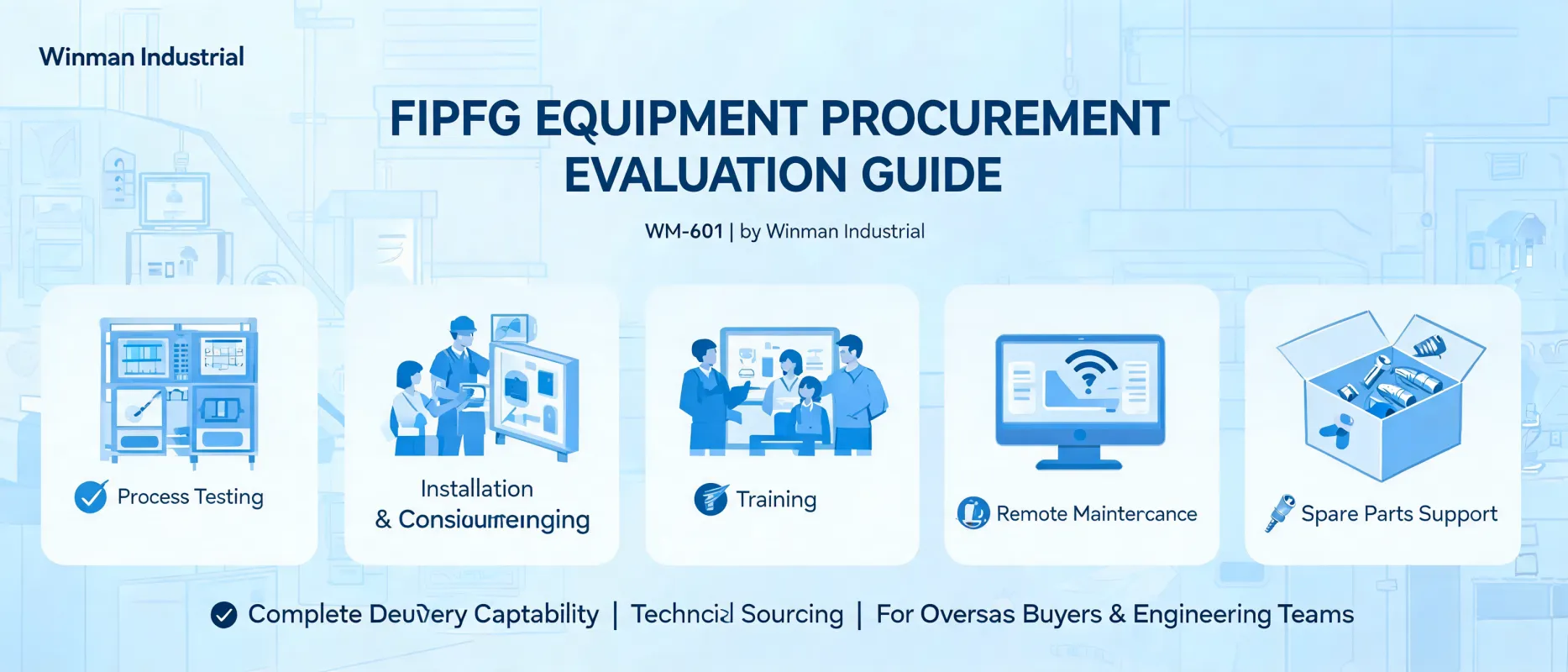
Sealing performance is a critical consideration for new energy vehicle battery packs and energy storage cabinets. Compared with manual application or preformed gasket installation, FIPFG automatic foam sealing provides a more programmable approach to material dispensing, path control, and production consistency. Winman Industrial’s WM-601 FIPFG automatic foam coating machine is designed for high-requirement industrial sealing applications where repeatability and reduced manual dependence are important.
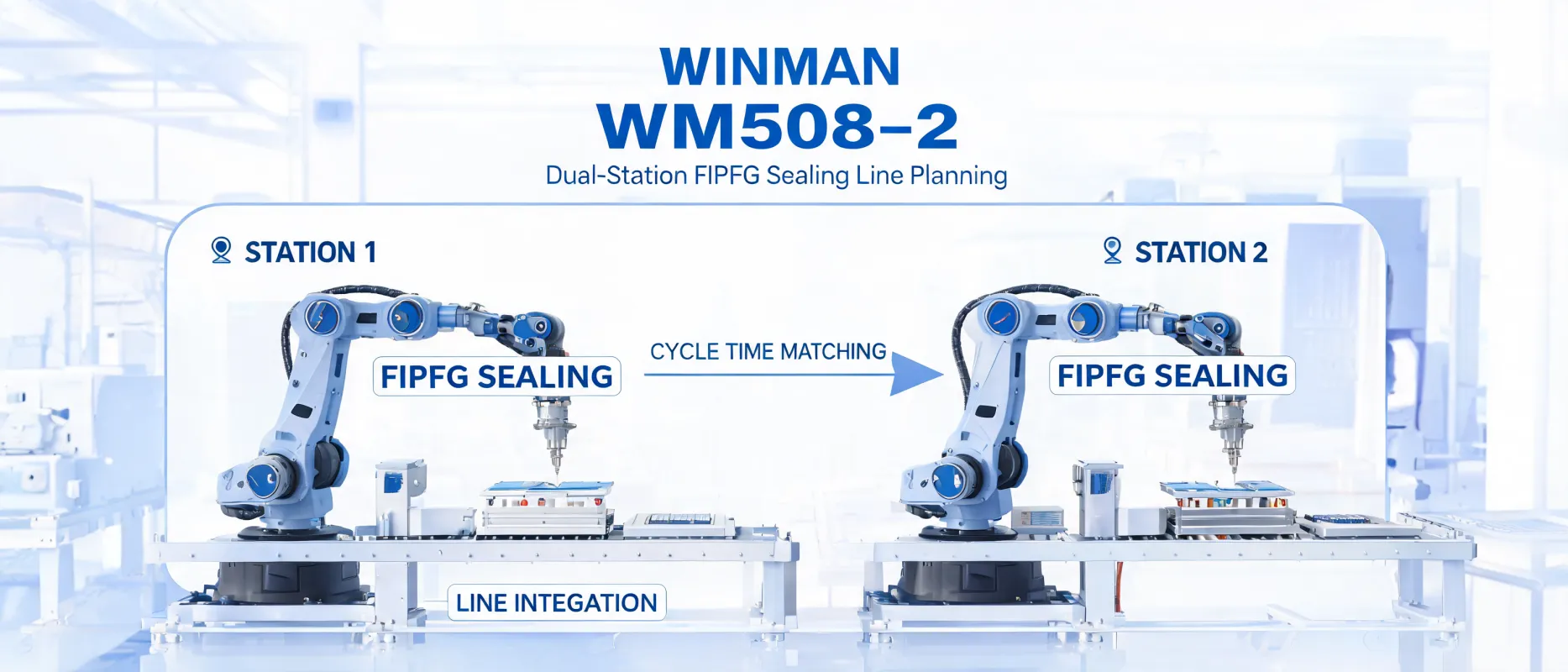
Key point: FIPFG automation can improve coating precision, programmed path consistency, production rhythm, and process control. The WM-601 has a stated coating accuracy of ±0.05 mm, adjustable application speeds of 0–300 mm/s, and a dual-station configuration. The final protection level must always be verified through the selected material, product structure, assembly conditions, and finished-product testing.
How the Sealing Methods Differ
| Evaluation area | FIPFG automatic foam sealing | Traditional manual or preformed sealing |
|---|---|---|
| Application control | Material is dispensed along a programmed path, supporting controlled bead placement and repeatable production parameters. | Results depend more heavily on operator technique, gasket placement, joint alignment, and manual handling. |
| Precision and consistency | The WM-601 provides a stated coating accuracy of ±0.05 mm, helping support consistent sealing paths when the process is properly configured. | Consistency may vary with manual speed, pressure, positioning, surface condition, and operator experience. |
| Production rhythm | Dual-station automatic operation can support a more continuous workflow and reduce dependence on manual application. | Additional manual application, positioning, inspection, or correction steps may affect cycle organization. |
| Process flexibility | Supports path programming, adjustable speed settings, voltage customization, remote maintenance, and optional plasma surface treatment. | Changes to sealing paths or product formats generally require additional manual adjustment and process coordination. |
| Finishing and cleaning | The high-pressure water and air cleaning system is designed to simplify cleaning and reduce the need for manual edge trimming. | Excess material, positioning deviations, or visible joint areas may require additional manual finishing, depending on the process. |
Why FIPFG Is Considered for Battery Pack Sealing
Battery packs and energy storage cabinets often require a sealing process that can follow defined component geometries while maintaining stable production conditions. FIPFG, or Formed-In-Place Foam Gasket technology, forms the sealing bead directly on the component. This approach can be suitable for applications that require controlled sealing paths, repeatable dispensing, and integration with automated production.
Controlled bead placement
Programmable movement and dispensing parameters help support consistent application along the required sealing path.
Reduced manual dependence
Automatic operation can reduce the amount of manual dispensing, positioning, and edge-finishing work in the sealing process.
Protection-oriented application
With suitable materials, design, assembly, and validation, the process can support demanding water and dust protection requirements, including IP68-oriented applications.
Understanding IP68 Application Considerations
An automatic foam coating machine can contribute to a controlled sealing process, but equipment accuracy alone does not establish the final IP rating of a battery pack or energy storage cabinet. The finished protection performance depends on multiple factors, including:
- The selected foam or sealing material and its compatibility with the application.
- The component geometry, joint design, and surface condition.
- Bead continuity, curing conditions, and assembly pressure.
- Production inspection and finished-product validation.
- Testing performed according to the customer’s technical requirements and applicable standards.
WM-601 FIPFG Automatic Foam Coating Machine
Developed and manufactured by Winman Industrial, the WM-601 is designed for automated sealing of new energy vehicle battery packs, energy storage cabinets, and other industrial components requiring a controlled foam gasket application. Its configuration combines programmable dispensing with dual-station operation to support production environments where application consistency and process repeatability are key considerations.
Operational Features for Industrial Integration
-
1
Programmable sealing paths: Path programming helps adapt the dispensing route to the component design and specified sealing requirements.
-
2
Remote diagnosis and maintenance: Remote service functions can support maintenance coordination and improve response efficiency.
-
3
Surface preparation option: Plasma surface treatment can be configured where improved surface preparation is required by the process.
-
4
Simplified cleaning: The high-pressure water and air cleaning system is designed to make routine cleaning more convenient and reduce manual trimming.
When to Evaluate FIPFG Automation
FIPFG automatic sealing may be worth evaluating when a production team needs to:
- Improve the repeatability of sealing paths on battery packs or energy storage cabinets.
- Reduce dependence on manual dispensing and gasket placement.
- Coordinate sealing with a more structured automated production rhythm.
- Support demanding sealing designs requiring controlled application and validation.
- Manage different component formats through programmable process settings.
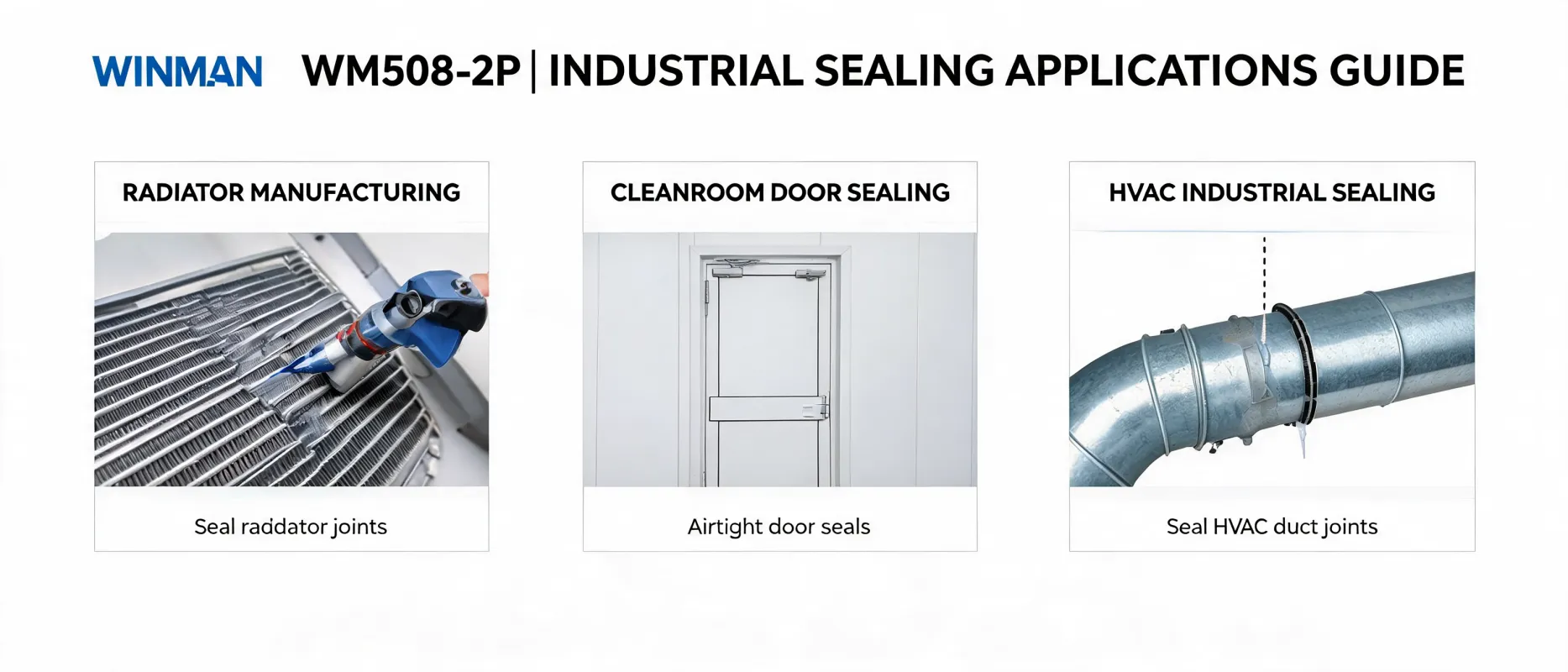
Winman Industrial provides FIPFG equipment and technical support for industrial sealing applications across the automotive battery, energy storage, electrical control cabinet, and photovoltaic equipment sectors.
For a suitable process recommendation, the sealing material, component geometry, target production rhythm, surface condition, and required finished-product tests should be reviewed together before equipment selection and validation.